Best Athletic Wrap Tape & Pre-Wrap for Sports, Training & Injury Support
The athletic wrap tape is an indispensable tool for trainers, athletes as well as medical professionals who want to avoid injuries, offer support and aid in recovering. The versatile product has changed in a significant manner over the years and offers a variety of types, applications, advantages, and features specifically tailored to specific injuries and sports. Knowing how to select and apply athletic wrap tape will significantly improve the performance and recovery results.
The market for Pre Wrap athletic tape continues to grow, with new developments in materials, adhesives and techniques for application that increase their efficacy. Professional athletes and weekend warriors alike, the athletic wrap tape offers crucial support to joints muscles, tendons and muscles during exercise. Its popularity stems from prevention and rehabilitation benefits that aid athletes in maintaining their best performance.
In this complete guide, we’ll go over all you must be aware of concerning athletic wrap tape, from the different types of tape offered to the correct application methods for various body parts. You may be a coach, athlete, athletic trainer or recovering from an injury this guide will help navigate the maze of sports tapes with confidence and knowledge.
Understanding Athletic Wrap Tape and Its Purpose
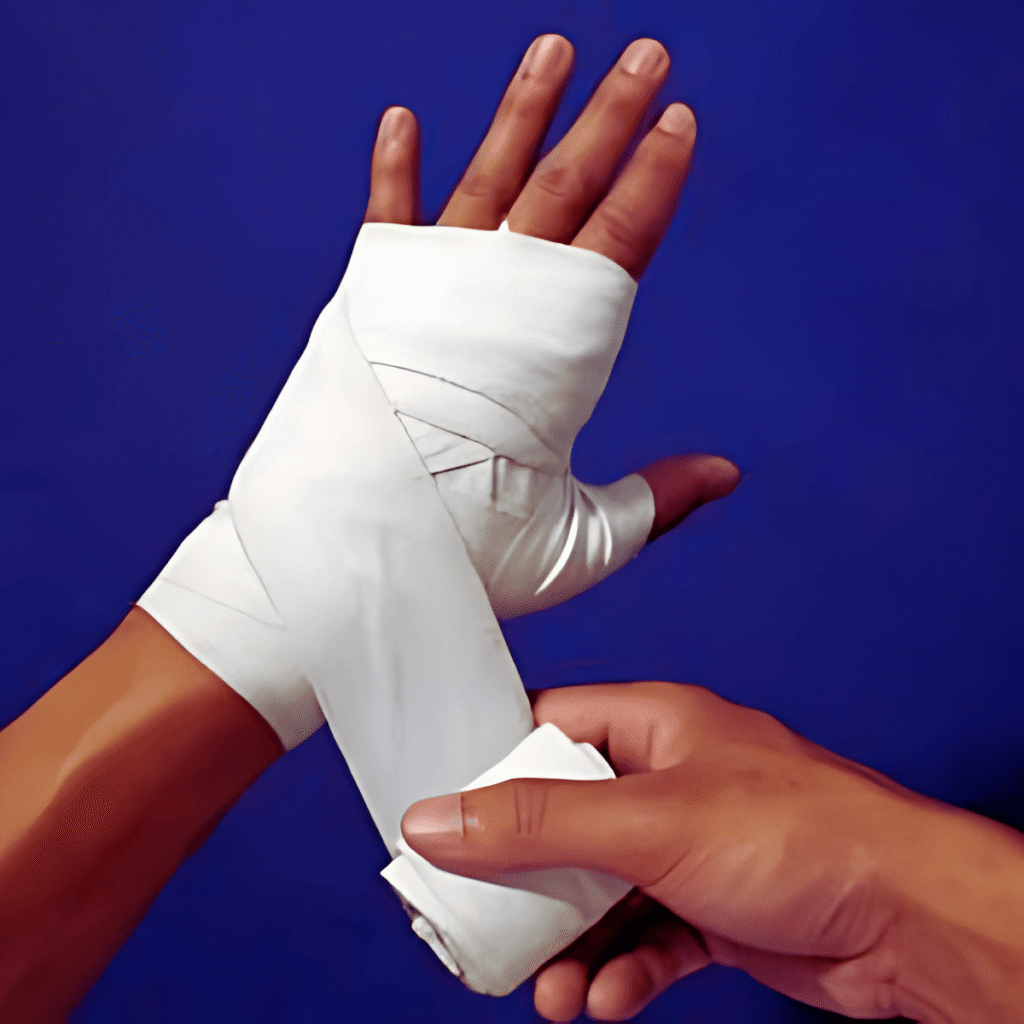
The athletic wrap tape is an exclusive type of medical equipment made specifically for sports-related use. In contrast to ordinary adhesive bandages athletic tape is designed with special properties that allow for movement as well as providing stabilization and support. The main functions of athletic wrap tape comprise:
- Prevention of injury: Limiting dangerous or potentially hazardous motions
- Joint stabilization: Supporting weak or recuperating joints
- Compression: Reducing swelling while improving blood flow
- Dressings and pads should be secured Keep protective equipment in place
- Rehabilitation support: Aiding the process of healing after injuries
The development of sports tape goes back to the beginning of the 20th century. There were significant improvements occurring as the field of sports medicine developed. Today’s wrap tapes for athletics make use of innovative adhesives, breathable material and specialized elastic profile to satisfy the requirements of modern sports.
All athletes from professional athletes to amateurs – can benefit by using the right taping techniques. If applied correctly the tape for athletics can improve performance by bringing confidence in movement and decreasing anxiety about injury. The right type of tape to choose for specific purposes is vital to reap the maximum advantages.
Where to Buy Athletic Tape: Finding Quality Products
When looking for the best athletic wrap tape, the high-quality is crucial. The inferior products may not give adequate support, may cause irritation to the skin or cause adhesion during crucial moments of physical activity. Here are the top sources to buy reliable athletic tape:
Specialized Sports Medicine Retailers
Specialized stores for sports medicine offer the largest selection of professional grade taping equipment. The staff at these stores typically have been trained in products for athletic support and will be able to offer guidance in choosing the right options for your particular requirements.
- Benefits: Expert guidance and products of professional quality, a larger choice
- The most popular retailers are Performance Health, MedCo Athletic Specialized shops for sports medicine
Pharmacy and Drug Stores
Local pharmacies and national pharmacy chains as well as drugstores generally have basic athletic wrap tape choices. Although their selection is less extensive as compared to specialty shops, they provide convenience and affordable prices.
- Common choices: CVS, Walgreens, Rite Aid, local pharmacies
- Products available Basic athletic tape made of cloth pre-wrap and kinesiology tape
Sports Equipment Retailers
Large sporting good stores carry different athletic tapes typically including standard and specialized choices. They often provide competitive prices on the standard athletic tape items.
- The most popular choices are Dick’s Sporting Goods, Academy Sports, Big 5 Sporting Goods
- Choice: General athletic tape Pre-wrap, sports-specific tapes
Online Marketplaces
Online marketplaces offer the ability to purchase virtually any type of tape for athletic use typically at affordable cost. Reviews from customers can help you identify the best products.
- Principal platforms: Amazon, eBay, specialized websites for sports medicine
- Benefits Cost comparison, a broad choice, ease of use, and customer reviews
- The product cannot be physically examined the product prior to purchase
Athletic Wrap Tape Near Me
To meet immediate requirements, searching “athletic wrap tape near me” will reveal the nearest alternatives. Numerous physical therapy clinics or chiropractic clinics as well as athletic training facilities sell high-quality athletic tape to clients and patients.
When buying sports wrap tape think about aspects like the intended usage the adhesive’s strength, demands for flexibility, and skin sensitivities. Premium tapes generally have superior adhesive, comfort, and longevity when compared with budget alternatives.
Different Types of Athletic Taping: Finding the Right Solution
The term “athletic wrap” refers to a variety of special products specifically designed for certain uses. Knowing the differences can assist in choosing the best tape for your specific needs:
Traditional White Athletic Tape
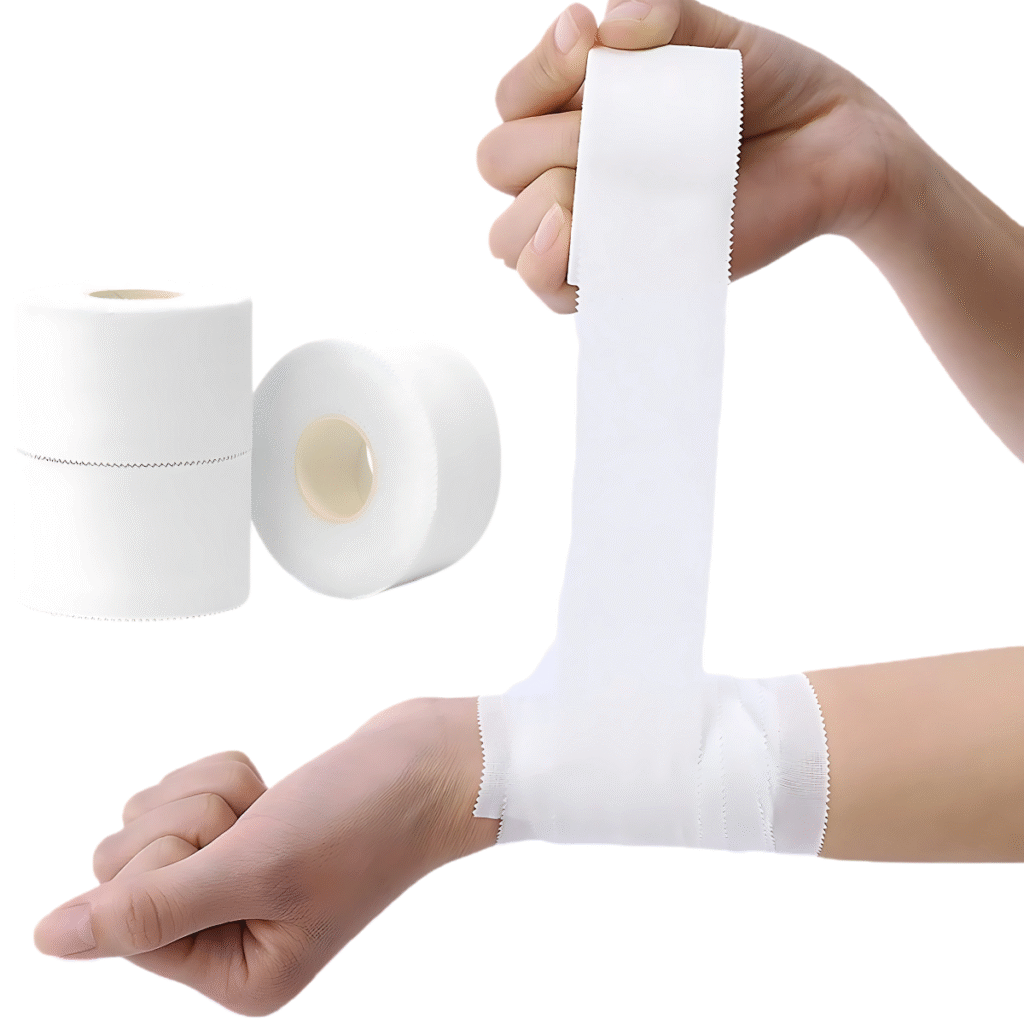
The rigid cloth tape is the basis of taping for sports. Made of cotton and an adhesive made of zinc oxide, the elastic tape offers strong support.
- The best choice for maximum joint stability, stopping the movement of a specific direction.
- Commonly used applications: Ankle sprains support for the wrist, finger taping
- Characteristics: Rigid, strong adhesion, requires pre-wrap for skin protection
- Limitations: Reduces circulation when long-term use. It is uncomfortable to wear for long periods of time.
Pre-Wrap
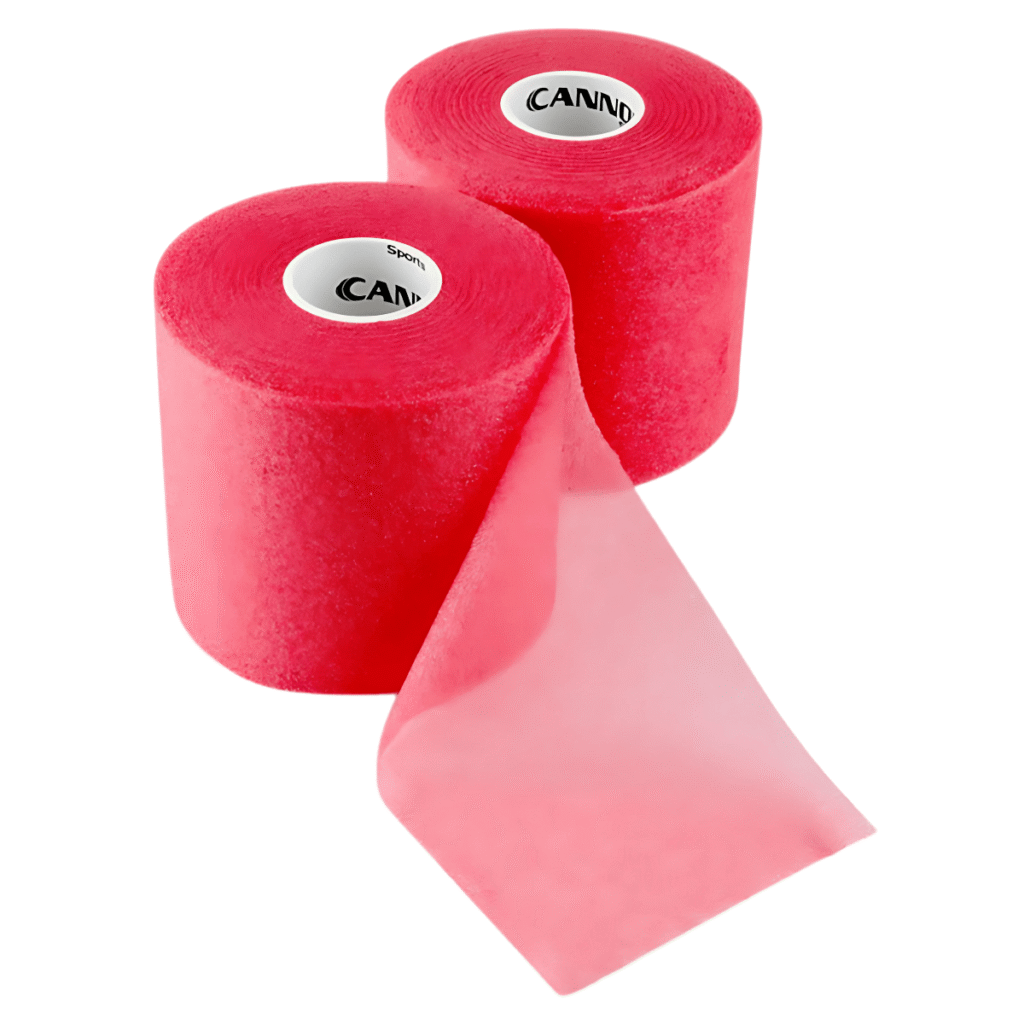
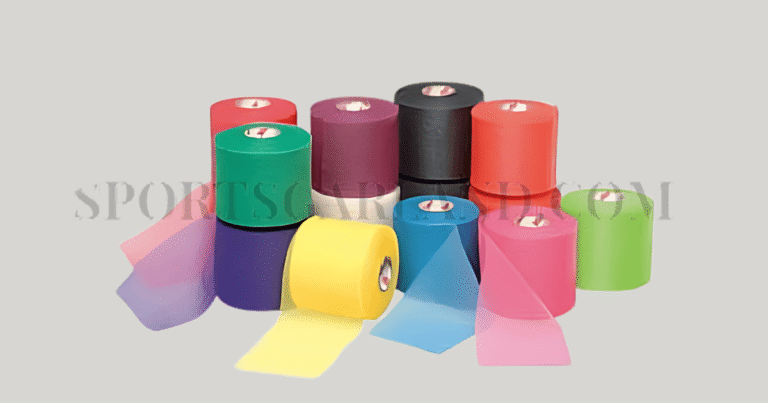
Pre-wrap is an extra layer of protection between the skin and the adhesive tape, which reduces irritation and making removal of tape less painful. The thin foam material is available in a variety of colors, and is the foundation for athletic tape.
- Use: Protects the skin from adhesives and absorbs moisture. It also prevents irritation and chafing
- Applications: Used in applications with rigid tape, it offers gentle compression
- Benefits: Reduces irritation to the skin It also makes it easier to remove the tape
- Considerations These are not supportive on their on its own, and requires an additional athletic tape
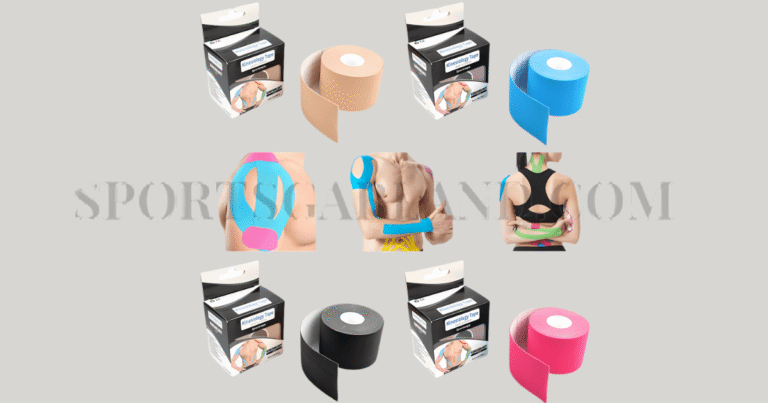
Kinesiology Tape Waterproof
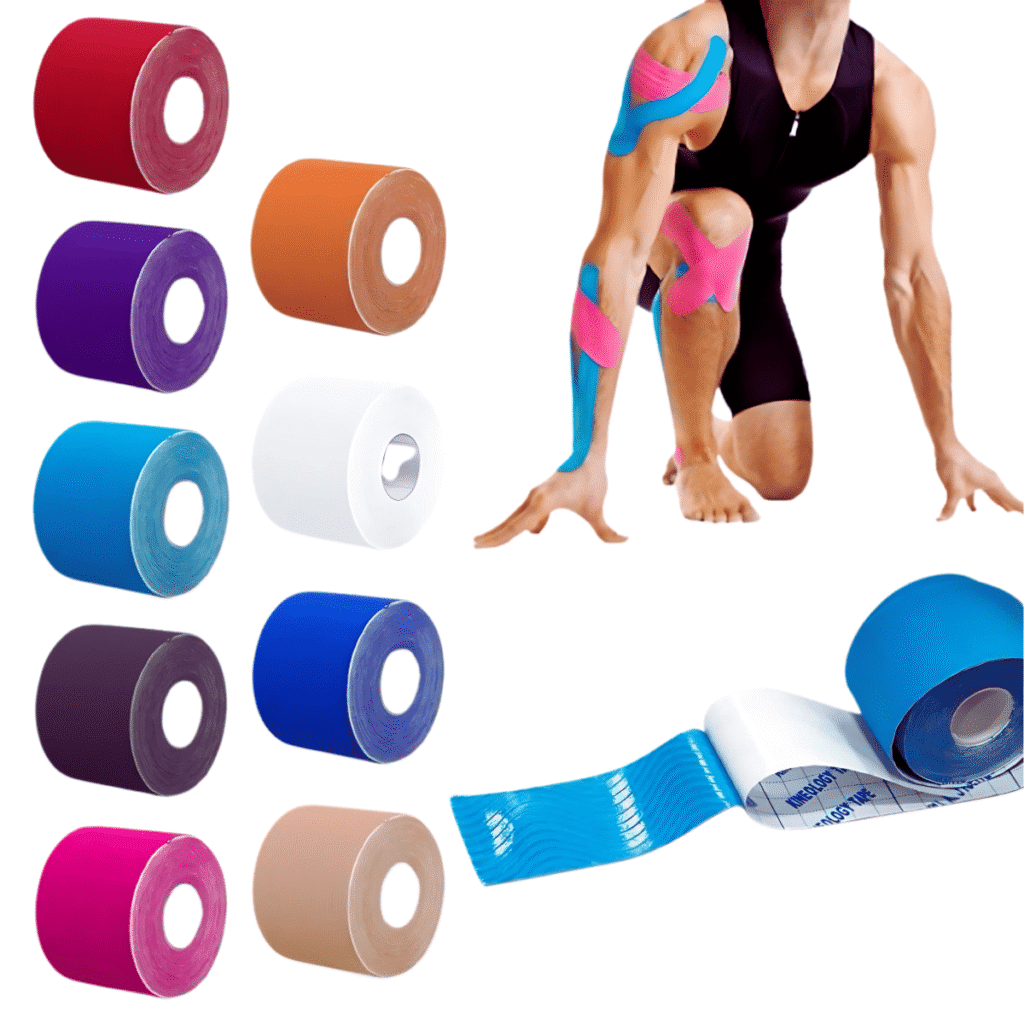
Kinesiology tape offers an updated method of taping athletics. The elastic cotton tape that is bonded with acrylic expands to mimic the skin’s elasticity and provides the necessary support.
- Unique features The stretch extends from 40 to 60% of the length of rest, and water-proof options are available
- Theoretical benefits: Helps in lymphatic drainage, helps muscles without limiting movement
- Applications for: Support for muscles as well as postural correction and reduction of edema
- Benefits: Can be worn for several days, waterproof permits the full range of motion
Cohesive Athletic Wrap
This self-adhering wrapping adheres to itself but does not adhere to hair or skin. It is ideal for fixing equipment or providing compression with no adhesive issues.
- The key features: No adhesive needed and adjustable compression. Reusable in certain instances
- The best uses are compression and securing ice packs temporary support
- Benefits: Fast application and removal that is painless of the device, and a variable pressure
- It provides less structural support than rigid tapes.
Colored Athletic Tape
The same properties are present in conventional white tape for athletics, these colored types allow team identification as well as coordination with uniforms or even for visibility purposes.
- There are many options to choose from: black yellow athletic tape pink football tape orange athletic tape team colors
- Functional equivalence: Offers similar support as white tape
- Additional benefits team spirit, appeal to the eye and easy identification
- The most popular uses are team sports, competitions and themed events
Stretchy Athletic Tape
Elastic athletic tape gives the support needed while also allowing more flexibility than rigid alternatives. This class includes varying levels of elasticity.
- Specifications They include: controlled stretch, ability to conform to the body’s contours
- Applications Support during the dynamic movement
- Benefits: Allows more natural movement and conforms to body parts that are complex
- Types: Elastic Adhesive Tape (EAB) Flexible elastic tape, high-performance elastic
Every type that is used for wrapping athletics has certain functions within the toolkit of sports medicine. Many physical therapists employ a variety according to the circumstances as well as the type of injury and the preferences of the athlete.
Wrist Tape Soccer Players: Sport-Specific Applications
The majority of soccer players use the athletic wrap tape for wrist protection, specifically goalkeepers, who frequently suffer from injuries and falls. This application is specialized and requires knowledge of the support requirements and specific sport demands:
Goalkeeper Wrist Taping Techniques
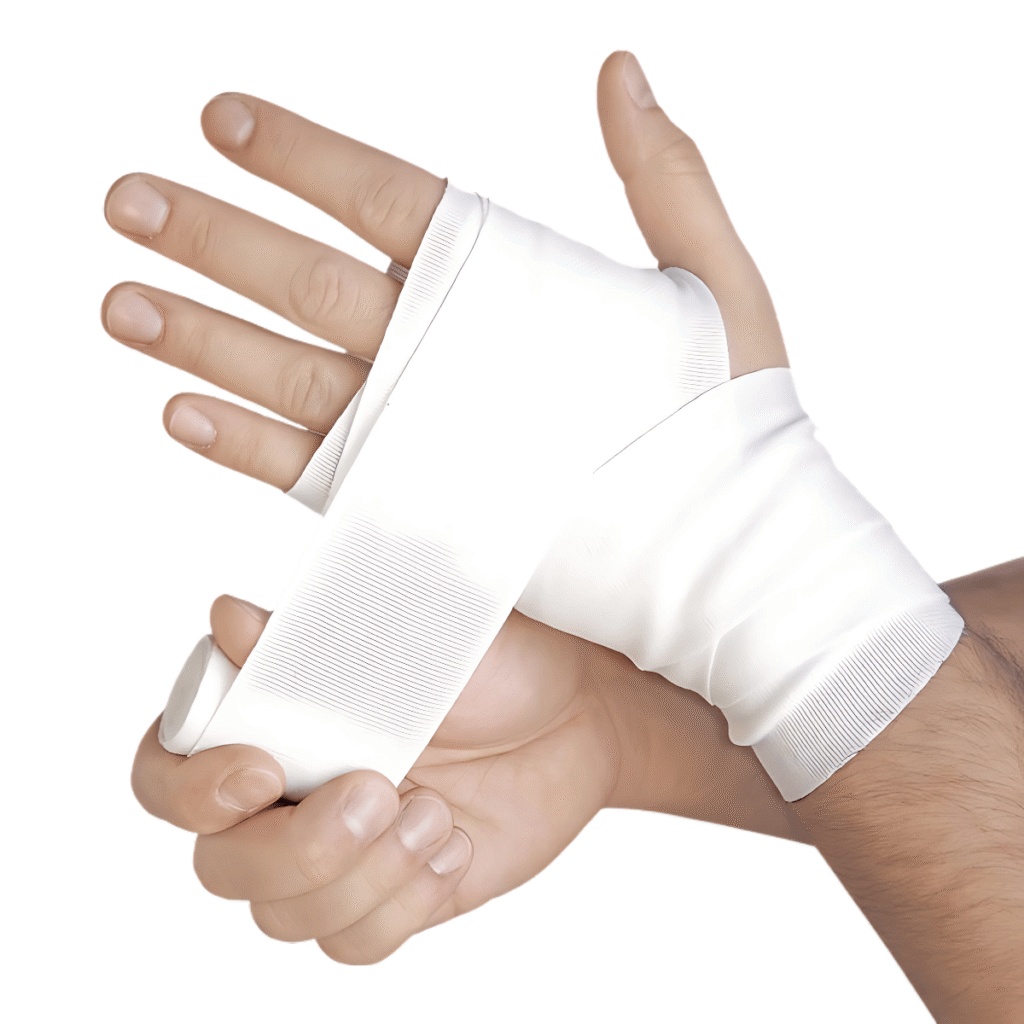
Goalkeepers have unique wrist problems when diving saves are made, and require particular taping techniques:
- Taping preventatively: Used prior to matches and practice sessions to lessen hyperextension risks
- Support without restrictions The ball is properly balanced to allow for handling, while also stopping extreme positions
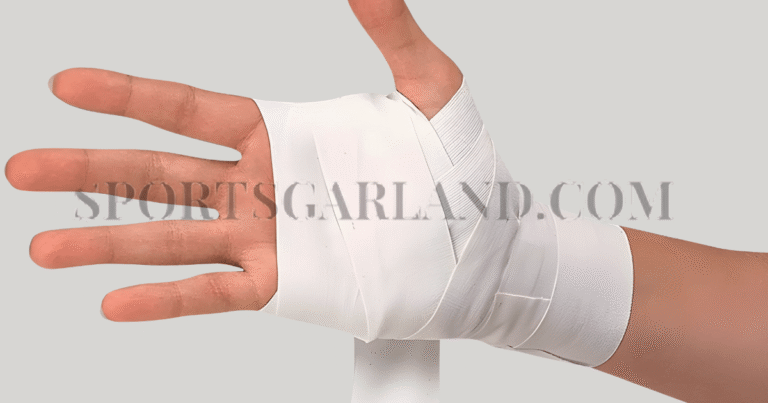
- Methods used in common: figure-eight pattern circular reinforcement, in conjunction with pre-wrap
Field Player Considerations
While it’s less popular in the field the wrist taping process still serves crucial purposes:
- Recovery from injury: Helping heal wrist injuries, while allowing players to return to the field
- Protection from previous injuries Reducing the risk of injury to previous wrist structures that were damaged
- Weather adaptations: Giving warmth and assistance in the coldest of conditions
Sport-Specific Requirements
The soccer players need taping techniques to meet their particular requirements:
- Resistance to sweat: able to withstand sweat and possibly wet playing conditions
- Support for duration: Providing assistance for up to 90 minutes of playing
- Compliance with regulations: Complying with the requirements for equipment to play competitively
The proper wrist taping of soccer players requires multiple layers and methods to offer optimal support while preserving mobility. Trainers who work with soccer teams typically create specific strategies based on the player’s needs and the position.
Kinesiology Tape Waterproof: Advanced Support Options
Waterproof kinesiology tape is an advancement in athletic support that allows for extended wear even during showering, swimming and sweating intensely. This particular option has unique advantages for specific situations:
Waterproof Technology
Modern kinesiology kinesiology waterproof versions utilize cutting-edge adhesive technologies:
- Acrylic adhesives: Created to ensure adhesion in the event of a they are wet
- Bonding that is activated by heat: Increases the duration by using body heat
- Water-resistant backing: Prevents the saturation in the material
- Patterns of ventilation: Allows water vapor to escape, while preventing water from entering
Applications and Benefits
The kinesiology tape made of water is useful for uses for certain groups:
- Aquatic athletes: swimmers, water Polo players and surfers
- Extended wear requirements Applications that require 3-5 days continuous assistance
- Hygiene concerns allow normal showering with no needing to reapply
- Hot weather activities: Remains an adhesion even when sweating heavily.
Application Considerations
A proper application of the waterproof kinesiology tapes requires specialized methods:
- Careful preparation of the skin: dry and oil-free before application
- The process of activation involves creating friction to trigger adhesive properties
- Edge sealing: ensuring the edges are adhered to each other
- Proper timing: Apply 30-60 minutes before exposure to water
Kinesiology tape with waterproofing usually costs more than other options, but it offers an extended wear period that can make it more cost-effective for certain uses. For athletes who require constant assistance throughout many practice sessions or contests tend to prefer this method even though it is more expensive initially.
Pre-Wrap: The Essential Foundation for Athletic Taping
Pre-wrap is the essential base layer in numerous athletic tape applications protecting skin and improving the comfort. The proper application of it can maximize the efficacy of wrap tapes for athletic use:
Purpose and Function
Pre-wrap is a crucial component during the tape-making process:
- Skin protection: Forms an insulating layer between skin and adhesive
- Moisture management The wick absorbs and wicks sweat.
- Pressure distribution: Distributes tension of the flexible tapes more uniformly
- Preservation of circulation: Helps to prevent the constriction of blood flow
- Hair protection: Reduces the pain of hair pulling when tape is removed
Application Techniques
The proper application of pre-wrapping follows specific techniques:
- Consistent tension: Used using a uniform, light tension
- Layers that overlap: Every wrap is overlapped with the prior wraps by 50%.
- Complete coverage: ensuring all the areas that come in contact with adhesive tape are secured
- Amount that is appropriate: Enough to provide security without a large volume
Creative Uses
Beyond the basic need for protection, pre-wrap has different purposes in the field of athletics:
- Identification for temporary purposes: A colored wrap that is used for identifying teams in practice
- Equipment marking: identifying personal equipment within teams
- Hair control: Keep hair from the face in competition
- Light compression: providing the smallest amount of supportive pressure
Selection Considerations
When selecting a pre-wrapping, a number of aspects affect the effectiveness of the wrap:
- Width options Available: The standard 2.75″ width in contrast to. special narrower widths
- Quality of the material Quality of the material: Density, thickness and stretch properties
- Color choice Traditional white and. team colors
- The quantity needed for a roll differs from manufacturer to manufacturer.
Pre-wrap is fairly inexpensive in comparison to athletic tape, which means it is affordable to apply generously. The majority of athletic trainers discourage reuse of pre-wrap because it begins to lose elasticity and cleanliness following the initial application. For best results, fresh pre-wrap must be used with every taping session.
Colored Athletic Tape: Functionality Meets Team Spirit
Colored athletic tape blends the benefits of support that are practical in traditional tape and aesthetic recognition advantages. This versatile choice has become ever more popular across a range of sports:
Spectrum of Options
Markets now offer a wide range of color options to meet a variety of demands:
- Color scheme: Official colors match colors of the team.
- Options for high visibility The yellow athletic tape and orange athletic tape for clear visibility
- Fashion-forward options Football tape in pink and other fashionable colors
- Black athletic tape is a favorite for its professional, sleek appearance
- Pattern options: Some brands provide pattern options that are printed or designed
Practical Applications
Beyond team identification, color tape is used for a variety of purposes:
- Identification: Easily identifying areas of concern or equipment
- Communication: Color-coding the severity of injuries or level of restriction
- Visibility: Enhancing the visibility tapes used by officials and coaches
- Positive psychological benefits: Enhancing the spirit of a team and increasing confidence in athletes
Quality Considerations
When choosing the color of athletic tape specific aspects will ensure that performance doesn’t suffer:
- Adhesive consistency: ensuring that color-coordinated versions have the proper adhesion
- Quality of the material: confirming that the material has structural strength of white tape
- Hypoallergenic properties: Examining for other dyes that may cause allergic reactions.
- Cost comparison: Assessing any price increase for options with colored colors
Sport-Specific Uses
Different sports have taken to colored tape in different ways:
- Football: Colored wrists and ankles, which are particularly noticeable during games that are telecast
- Volleyball: Finger-taping in team colors to provide joint support
- Basketball: Finger and wrist support for team identification
- Soccer Goalkeeper wrist support in coordinated colors
- Fields and tracks: event-specific markings and assistance
Colored athletic tape is typically exactly the same way as white tape with respect to the support it provides and its function. The main difference is the use of dyes in the fabric that do not affect the performance of the material. Teams and athletes typically choose colors to give them a psychological increase and team spirit they offer.
Different Types of Taping: Techniques for Various Body Parts
Application of the athletic wrap tape varies greatly based on the body’s region and purpose. Understanding the different strategies will ensure the proper support and prevents injury:
Ankle Taping Techniques
The ankle is among the most taped parts of the body in sports:
- Closing basket weave: A traditional technique that gives the highest stability
- Basket weave open: modified approach that allows for more dorsiflexion
- Low-Dye method: Provides support to the arch and plantar fascia.
- Heel locks: Reinforcement preventing heel movement
- Figure-eight Method: Quick application that provides moderate assistance
Wrist Taping Approaches
The wrist taping helps protect one of the most complex joints:
- Circumferential technique: Gives general support by wrapping the circular technique.
- Method of Figure Eight: Develops cross-tension to support both extension and flexion
- Spica tape: Provides support for the thumb to treat thumb-related injuries
- Fan strips: Provides directional support limiting specific movements
- Anchor-based techniques: Uses solid wrist points to provide support
The wrist needs to be carefully considered in terms of mobility and stability. A proper taping technique balances support and practical requirements, especially for those who play sports that require considerable hand dexterity. Trainers for athletes often modify wrist taping strategies based on the sport’s specific requirements and the individual needs of each athlete.
Knee Taping Methods
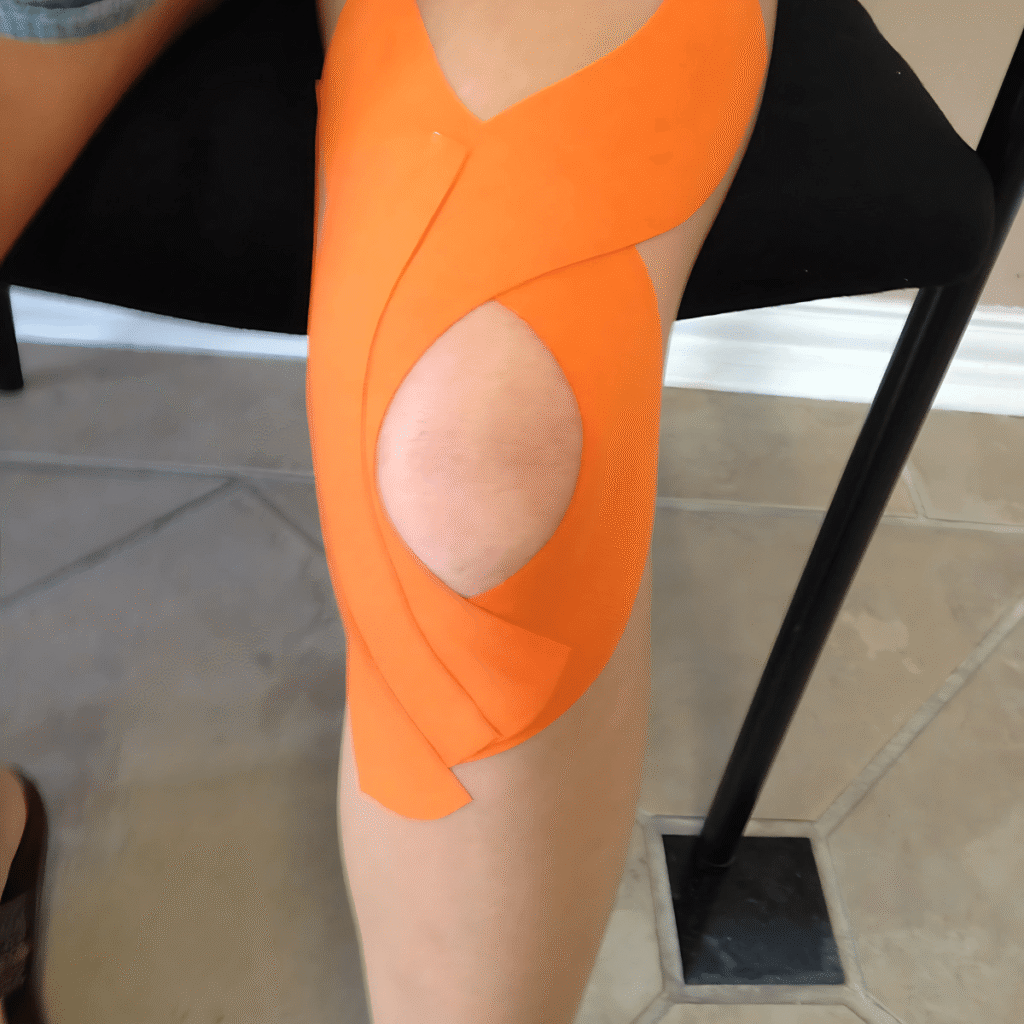
Stabilizing the knee requires taking care of the joint’s complicated movement patterns:
- McConnell technique: addresses patellofemoral problems and tracks
- Medial/lateral support: Reinforces collateral ligaments
- Hyperextension prevention Limits extension of terminal
- Infrapatellar straps: Supports patellar tendon issues
- The X-pattern reinforcement provides multidirectional stability
The knee taping has to accommodate the significant force exerted on the joint that bears weight and allow for functional motion. Wrap tapes for athletic use on the knee usually include the use of both elastic and rigid components.
Shoulder Taping Techniques
The shoulder’s wide range of motion presents unique challenges to taping:
- Scapular position: Helps maintain proper shoulder blade alignment
- AC joint support Stabilizes the acromioclavicular joint.
- Rotator cuff assistance: Supports muscular function during recovery
- Proprioceptive tapping: Improves the awareness of position without limiting movement
- Postural correction: Helps to achieve the best shoulder posture
Shoulder applications usually involve greater quantities of tape for athletic use, and typically combine several techniques to deal with the joint’s complex.
Finger and Thumb Taping
These joints are small and require careful application to provide support.
- Buddy taping: It binds the injured finger with a healthy finger
- Spiral method provides general support, while retaining the flexibility
- Support for the Collateral ligament: Strengthens the sides of finger joints.
- Ring removal: Provides continuous support instead of individual loops
- Ulnar collateral ligament taping Particularly helps to support the thumb UCL
Finger taping properly ensures support while allowing the sensitivity to touch required in numerous sports. These methods typically employ thinner athletic wrap tapes specially designed for digital use.
Each method of taping requires an understanding of biomechanical and anatomical principles. The proper application requires taking into account the mechanism of injury along with the demands of the sport, as well as specific characteristics of the athlete to ensure the best support.
Yellow Athletic Tape: Visibility and Performance Benefits
The yellow athletic tape has been gaining popularity due to its unique design and practical advantages for various sports environments. This vibrant variation of the traditional athletic wrap tape has multiple reasons beyond just simple joint support.
Visibility Advantages
The yellow color with high contrast offers substantial visual benefits.
- Improved recognition: Easily identify restricted areas for officials and teammates
- Warning indicator: Signals areas that require special care or security
- Rapid identification: Facilitates rapid assessment during emergency situations
- Contrast in the environment: Stands out in different lighting and conditions of the weather.
- Video analysis creates solid reference points to evaluate performance
Technical Specifications
Yellow athletic tape has the same basic characteristics as white tape.
- Tensile strength: Similar capacity of support to tape
- Adhesive properties: Standard zinc oxide adhesive system
- Composition of the material Composition: Cotton backing with similar air-flow
- Resistant to tear: Consistent pull force at the edges and in the at the center
- Width options available in standard widths of athletic tape (1″, 1.5″ 1.5″, 2″)
Sport-Specific Applications
Different sports use yellow athletic tape for specific reasons:
- Football: Marking positions of skill and equipment changes
- Soccer Goalkeeper wrist support high-visibility
- Field hockey: marking of equipment and padding security
- The stick can be modified, and attachment to equipment
- The importance of identifying key players and equipment changes
Psychological Elements
The bright color could offer additional benefits that are not physical:
- Improvement in confidence: A bold physical appearance can increase athlete confidence
- Attention direction: Pays your conscious focus to areas taped
- Opponent awareness: Provides visual cues which can impact the opponent’s behavior
- Team identity: Enhances the cohesion of appearance of the team when it is used frequently
Yellow athletic tape generally costs similar to traditional white tape, making it an a viable option for individuals and teams looking to increase their visibility. The non-toxic dyes in the top quality yellow tape make sure that it retains the same skin-friendly characteristics that are present in standard sports wrap tape.
Pink Football Tape: Tradition Meets Awareness
Football tape made of pink has developed from a novelty item to an essential piece of the world of athletic tape. This unique sports wrap tape style offers practical support and strong messaging possibilities:
Awareness Campaign Integration
Pink athletic tape has been an important cause:
- Awareness of breast cancer The most frequently related to October-related campaigns
- Support for general cancer: Expanded to signify greater awareness of cancer
- Anti-bullying initiatives: adopted by certain programs for anti-bullying communication
- Prevention of injuries: Use to draw attention to measures to ensure safety in sports
- Causes specific to team members: Supporting individuals’ fundraising initiatives
Technical Performance
Despite its unique color pink football tape still adheres to its performance standards:
- Support capabilities: Similar structure support as white athletic tape
- Adhesive strength: Standard zinc oxide adhesive systems
- Tear resistance: In line with taping products used in the past.
- Environmental durability Resistance to heat and moisture and heat
- Techniques of application: Used alongside standard football taping techniques
Implementation in Football Programs
Teams of football use pink tape at different levels:
- Professional use Pink initiatives of the NFL during awareness month
- Programs at the University of Colorado for Collegiate Adoption that promote awareness
- Programmes at high schools: Youth growth social consciousness through sport
- Youth leagues: An early introduction to participation based on cause
- Training programs that are available all year round to express yourself
Beyond Football Applications
This pink wrap-around tape for athletics has gotten beyond its football roots:
- Volleyball: Foot and ankle assistance during awareness games
- Basketball: Finger and wrist taping are coordinated with pink uniforms
- Track and Field: Taping at meets devoted to promoting awareness
- Wrestling: Joint support for pink-themed tournaments
- Softball/baseball: Finger and wrist assistance during awareness of cancer events
Pink football tape shows the way that athletic equipment can go beyond their primary function to fulfill broader social functions. Teams frequently use these color alternatives to take part in larger discussions while preserving the essential performance characteristics needed to ensure the safety of athletes and provide support.
Stretchy Athletic Tape: Flexible Support Solutions
The stretchy athletic tape is an alternate to the rigid choices with a controlled elasticity that allows for movement, while retaining the support. This broad category of athletic wrap tape has specific purposes in the field of sports medicine.
Technical Properties
Elastic athletic tape is distinguished by its characteristics like:
- Stretch control: typically, 30-50% elongation capacity
- Rebound characteristics The length returns to the original after stretching
- Conformability: Wraps easily around the body’s contours.
- Different tensions can be applied using different levels of stretch
- Breathable design: Often features porous structure for air circulation
Application Advantages
Athletic tape that is stretchy excels in particular circumstances:
- Support that is dynamic: Allows for movement while providing resistance
- Compression delivery: Provides gradually increasing pressure to provide circulatory benefits
- Muscle support: Aids in enhancing the function of muscles without limiting movement
- Management of Edema: Aids in controlling swelling and allows for mobility
- Comfort for extended wear is typically more comfortable for long-term wear.
Common Products in This Category
Many specialized products fall within the category of stretchy athletic tape:
- Bandage with elastic adhesive (EAB) Traditional elastic tape made of cloth
- Cohesive bandage: Self-adhering elastic wrap requiring no adhesive
- Flexible elastic tape Thicker profile for areas that require just a little support
- Elastic tape for heavy-duty use Material that is thinner for greater support
- Kinesiology-style tapes are highly elastic choices that mimic the skin’s elasticity
Sport-Specific Applications
The different sports that benefit by stretching the tape are able to use it in a variety of ways:
- Basketball allows wrist flexibility and offering support
- Tennis: Holding the joints and allowing swing mechanics
- Swimming: Provides support that can withstand water exposure
- Track and Field: Providing the full range of motion for runners
- Combat sports: Maintaining support during unpredictable movements
The cost of stretchy athletic tape is typically more than rigid alternatives, however it has advantages that make it ideal in a wide range of situations. The ability to move freely while gaining benefits for support makes elastic tape a great choice for athletes who don’t want to compromise mobility, but need additional support for joints or muscles.
Orange Athletic Tape: High-Visibility Support
Orange athletic tape blends practical support capabilities with remarkable visibility, making it well-liked in sports with specific environments. This vibrant version of the classic athletic wrap tape is used for practical and identifying purposes:
Visibility Benefits
Orange tape’s vibrant color offers important benefits in terms of practicality:
- High contrast The product stands out against common colors and playing surfaces.
- Weather visibility: remains highly visible in snow, rain and low-light conditions.
- Identification of Distance: It is possible to recognize at longer distances than subtle colors
- Emergency identification: Locates quickly important equipment or marks
- Safety signaling: Identifies areas that require extra focus or caution
Technical Characteristics
Despite its distinct color, the athletic tape in orange has the same standard performance metrics:
- Tensile strength: equivalent support to white tape that is used in traditional applications.
- Adhesive properties: Standard zinc oxide adhesive system
- Composition of material The backing is made of cotton with the same air-flow
- Application techniques: Applied in conjunction with all taping methods that are standard
- Removal procedure: The standard removal methods are applicable.
Popular Applications
Certain sports and scenarios are benefited by orange athletic tape’s distinctive properties:
- Hunting sports Safety markings with high-visibility during the hunting season
- Water sports: easily seen in water environments
- Construction athletics: Competitive sports in the industrial sector with a focus on safety
- Outdoor adventure racing: Identifying in wild environments
- Marking emergency the equipment or locations in urgent situations
Seasonal Considerations
The athletic tape orange has popular patterns of the season:
- Fall sports: Coordinates the themes of autumn and colors
- Halloween celebrations: Themed applications for October-related competitions
- Season of hunting: Security tips during outdoor sports seasons
- Schools with colors that include orange as the primary color
Orange athletic wrap tape is a great example of the way that color choice can improve the capabilities of traditional athletic tape applications. While maintaining the same physical properties of support to white tape, highly visible characteristics of orange tape provide protection and identification advantages which make it the ideal option for certain situations and purposes.
FAQs About Athletic Wrap Tape
What’s the distinction between tape and athletic wrap?
The most common type of athletic wrap is an adhesive, flexible material which adheres to itself, and not skin offering light support and compression with no adhesive. The athletic tape comes with an adhesive backing which adheres directly onto skin wraps providing more rigid support and stability. While athletic wrap is a breeze for application and removal, but with some support. Athletic tape gives better joint stability and tailored support options. The decision between them is based on the individual needs wrapping for compression and support for mild and tape to ensure structural stability and prevention of injury.
What do you use the athlete tape to do?
The tape of an athlete serves many important purposes in sports medicine as well as performance improvement. It is primarily used to provide joint stability by limiting dangerous movements, while also allowing functional motion which is particularly beneficial for areas that have been injured previously. It helps reduce swelling, boosts perception (body awareness) and helps to facilitate the proper alignment of structures such as the patella. In addition, athletic tape provides protection from friction, offers protection in areas of high abrasion and can also serve as a psychological booster that gives athletes confidence in their body parts that are vulnerable in competition.
What’s the distinction between kinesio and athletic tape?
Kinesiology tape and the athletic tape differ in their style and intent. Traditional athletic tape is elastic and provides a rigid foundation by limiting movement, making it perfect to stabilize joints and prevent specific movements. Kinesiology tape is extremely elastic (stretching 40% to 60 percent of its length at rest) and is made to strengthen muscles and aid in movement, rather than limit it. Although athletic tape generally requires removal following exercise, kinesiology tape may be in place for up to a week. It focuses on the structural support by immobilizing, whereas kinesiology tape is designed to improve the natural movement patterns of the body while providing feedback to the sensory system.
Why should we wrap or tape an athlete?
Athletic athletes receive tape or wrap to address a variety of evidence-based reasons. Tape is used to prevent excessive joint motion that may result in injuries while permitting functional performance. To aid in rehabilitation, taping assists the healing process by restricting dangerous movements and allowing controlled therapeutic movements. Performance improvement is achieved through increased perception of (position perception) and confidence for previously wounded regions. Taping also offers compression that reduces swelling, increases circulation, and boosts the recovery process. In some sports, tape protects against blisters, abrasions and environmental influences, aiding athletes to perform at their peak performance.
How much time should athletic tape be put on?
The tape for athletics should be left in place for a minimum of 3-4 hours during exercise to avoid circulation restriction or skin irritation. This can lead to decrease in effectiveness. When using rigid supportive tape immediately after exercise, removal is advised to allow normal circulation and mobility. Kinesiology tape is a unique made to be able to endure 3 to 5 days of wear. Athletics should immediately remove the tape in the event of numbness or the sensation of tingling, changes in color as well as increased pain skin reactions. The right duration is dependent on the type of tape, its intended use, and the individual’s skin sensitivity. Athletic trainers usually giving specific guidelines for every application.
Does athletic tape have the same qualities with medical tape?
While medical and athletic tape have some similarity, they have distinct functions with distinct design features. The adhesive of athletic tape is stronger and tensile strength that is higher to withstand the rigors of vigorous sweat and movement during sporting activities. Medical tape focuses on soft adhesion to skin and wounds, without a focus in structural strength. Athletic tape generally has less breathability, but is more durable. Medical tape has greater air circulation, but less strength. Although both are intended to be used on the body, athletic tape is specifically designed to address the demands of biomechanics in injury prevention and performance in sports instead of general medical needs.
Do I have to shower using athletic tape?
The way you shower with the athletic tape varies completely on the kind of tape you use. Traditional athletic tape made of cloth deteriorates rapidly when wet, shedding adhesive and supportive properties, which makes it ineffective for showering. Kinesiology tape that is waterproof is however made to ensure adhesion even during showering. It allows you to shower without the need to remove. For typical tape applications for athletes it’s suggested to wrap the tape in the plastic wrap, or cover it with waterproof material when showering is required. Using non-waterproof tape short showers while making sure the taped area stays dry is preferred to complete removal, if the reapplication process isn’t immediate.
How tight should the athletic wrap tape be swathed?
The tape for athletic wraps must be applied using a tension to provide the necessary support but does not compromise circulation – typically described by the term “comfortably snug.” A proper application will create even pressure across the entire wrapped area with no constriction areas. The best practice is to maintain the ability to slide one finger between the skin and the tape. Athletics should look for indications of excessive tightness, such as the sensation of numbness, tingling or discoloration or a rise.