Wrist Tape Soccer Players – Support & Injury Protection
In the soccer world the players are constantly searching for ways to get an advantage, avoid injuries, and perform their top performance. One of the most common sights on soccer fields around the world is the athletes sporting the athletic wrap around their wrists. Although it may seem straightforward, it has multiple benefits for soccer players of all levels. No matter if you’re an athlete in the professional ranks or a weekend warrior, knowing the benefits and correct methods of wrist taping will increase your performance as well as safeguard you from injuries.
Why Soccer Players Use Wrist Tape
The Wrist Tape Soccer Players are wrapped with athletic wrap tapes to help with various psychological and practical reasons. Contrary to other equipment that may be required by regulations the wrist tape is an individual choice that players choose based on their personal requirements and preferences.
- Support and prevention of injuries: The primary purpose behind taping the wrist is to provide more stability to the joint when it collisions, falls, as well as other types of contact.
- Rehabilitation assistance: Patients suffering from mild wrist strains and strains frequently use tape to restrict movement and help heal tissues
- Absorption of sweat: Athletic wrap tape can be used to help athletes keep their sweat under control, particularly when throwing throw-ins or wiping their faces during the intense games
- The psychological comfort of athletes has a routine of wrist taping, which becomes an integral part of their routine prior to games and helps build confidence in their minds.
- Identification and style Certain players make use of distinct colored tape to create personal brand or team logo
Professional athletes such as Cristiano Ronaldo as well as Neymar are making wrist tapping part of their signature looks at the football field. and have influenced youngsters around the world to adopt similar techniques.
Types of Athletic Wrap Tape Used by Soccer Players
There are many different types of athletic wrap tape. Not every one is the same and soccer players have many options to choose the best type of wrap that will suit their wrists. Knowing the various types of wraps can assist players in making informed choices based on their individual requirements.
Traditional Athletic Tape
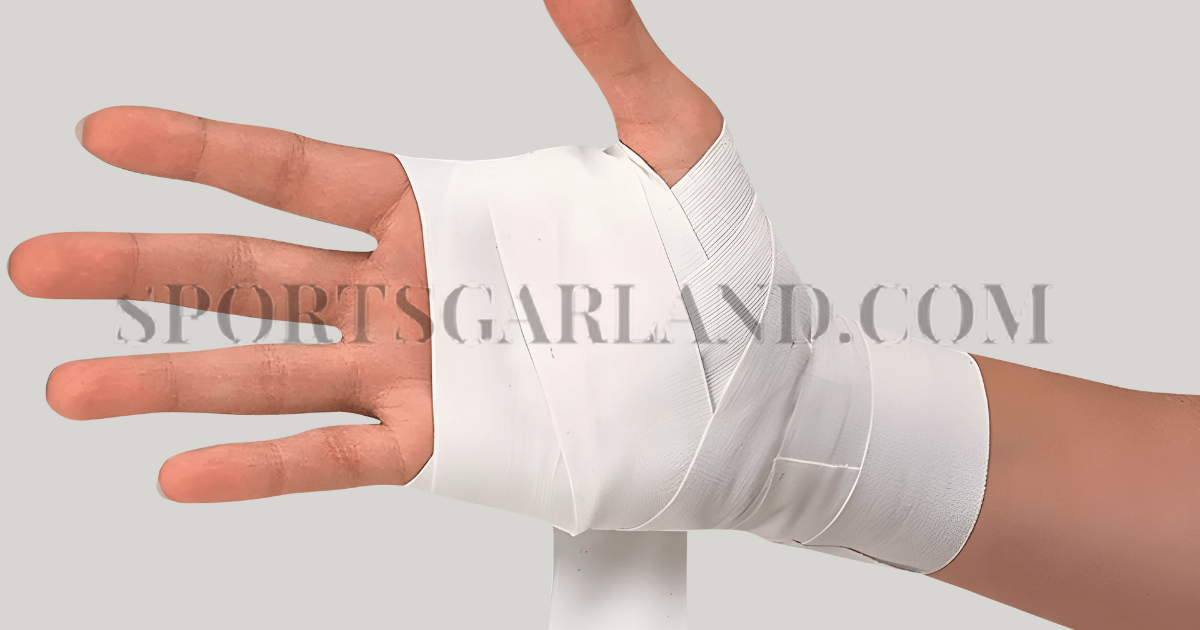
The traditional white athletic tape is well-liked by soccer players due to its wrist support. This tape is non-elastic and provides solid support and is fairly inexpensive.
- Pros: Outstanding service, readily accessible, and reasonably priced.
- Cons: Some may feel uncomfortable after prolonged use. It could impede circulation if used too tightly. Pre-wrapping is required to avoid skin irritation
Pre-Wrap and Athletic Tape Combination
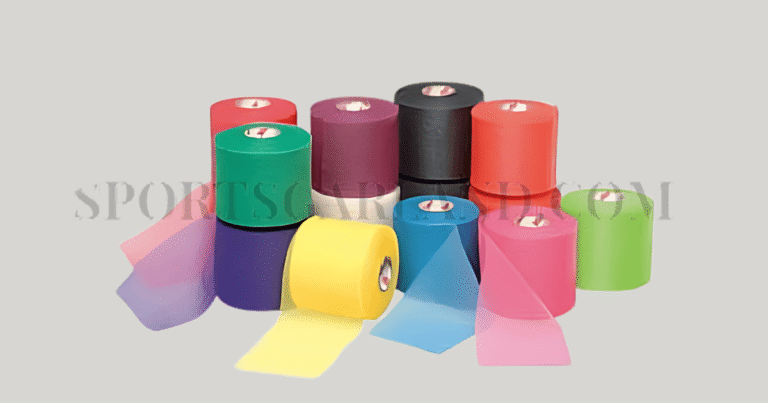
A lot of athletes use an extra layer of pre-wrap (a foam-like substance) beneath the tape for athletics. This provides comfort as well as support.
The pre-wrap can prevent tape from adhering directly to hair or skin which makes removal less painful and allows the athletic tape to offer the required support. This method is very well-liked by pro soccer athletes who have to tape regularly throughout a season.
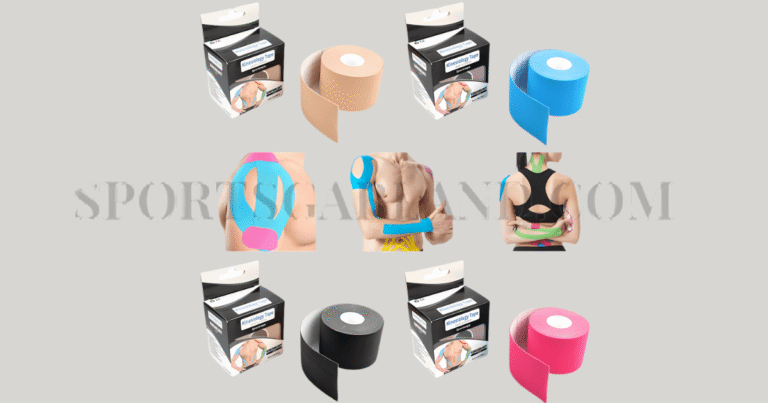
Kinesiology Tape
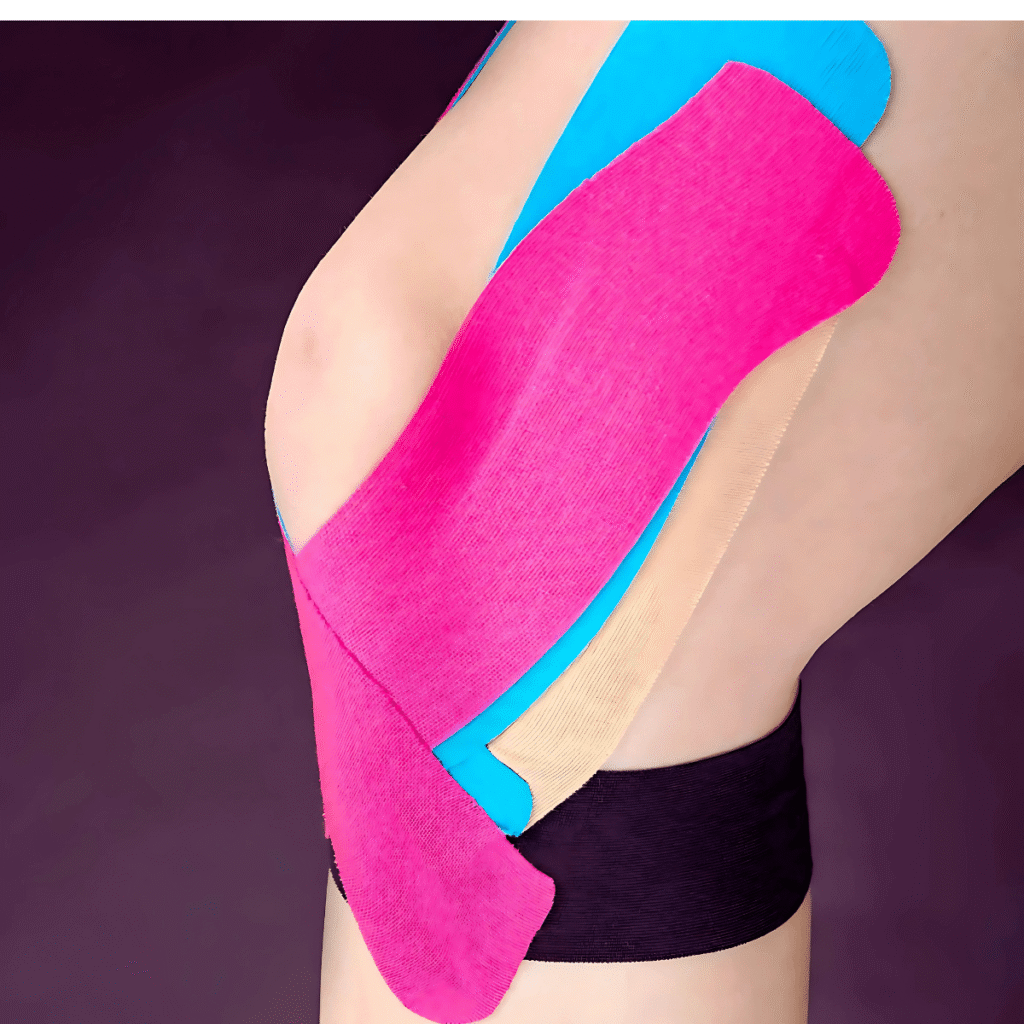
Although it is more often seen on other body areas, a few footballers choose Kinesiology tape to protect their wrists. This tape for therapeutic use was created to help support muscles while providing a full range of movement.
Kinesiology tape is different from traditional athletic wrap tape, by lifting the skin a little to increase lymphatic drainage and circulation. Although it is less restrictive than traditional tape, it will not offer the same level of stability to wrist joints when playing hard.
Self-Adhesive Wrap
Self-adhesive wrap for athletics (sometimes called a cohesive bandage) is a pliable option that adheres to itself, but not to hair or skin.
- Pros: It is easy to put on and take off, reusable Comfortable for long-term wear
- Cons: Might not offer the same amount of support as traditional athletic tape. It can also loosen when you are engaged in intense activities.
How to Properly Tape Your Wrists for Soccer
A proper application of athletic wrap tape is vital to maximize the benefits of this tape while staying clear of potential problems such as reduced blood flow and skin irritation.
Materials Needed:
- Wrap tape for athletic wear (1.5 inches wide is the standard for wrists)
- Wrap or wrap underwrap (optional but highly recommended)
- Scissors
- Spray to adhere skin (optional)
Step-by-Step Application Process:
- Prepare your wrists Make sure that your wrist is dry and clean. If you’re using an adhesive spray, put on a thin coating to make it adhere better.
- Apply the pre-wrap: If you are using pre-wrap apply it to your wrist a couple of times, applying gentle tension, covering approximately 2 inches below to 2 inches higher than the wrist joint.
- Create anchor strips: Use the athletic wrap to make anchor strips on both sides of the pre-wrap. These strips should be circling your arm in a complete circle and serve as a connection point for the supporting strips.
- Install supportive strips Attach stripes of sports tape from one end to the other by overlapping them slightly (by approximately half of tape). Keep your wrist in a neutral position when you tap.
- Secure the tape job Wrap 1-2 complete wrappings of athletic tape around the anchors in order to keep everything in the right place.
- Examine circulation: After you’ve taped the area, move your fingers around to check for sufficient blood flow. If you feel numbness, tingling, or tingling it is because the tape is too tight and needs to be replaced.
To maximize effectiveness Apply fresh tape prior to every practice or game. Old tape doesn’t offer the same amount of support, and may result in skin irritation.
Benefits of Wrist Taping for Soccer Players
The practice of applying wrap tape to protect wrists provides soccer players with a variety of advantages over the prevention of injuries.
Physical Benefits
A properly fitted wrist taping system offers structural support and can protect against injuries from accidents or falls. This is especially important for goalkeepers and defensive athletes who face more physical contact during games.
The compression offered by athletic wrap tape may also enhance proprioception – your body’s awareness of its spatial position. This can improve overall control when performing technical moves such as passing or dribbling.
Furthermore, wrist taping can aid athletes recovering from minor injuries to return to sport faster by providing external support for the healing tissues.
Psychological Benefits
Many athletes have reported that the routine of applying the athletic wrap tape assists them in mentally preparing for the competition. This routine prior to games is an focusing system that informs your brain it’s the right time to play.
Certain players feel more secure knowing that they have more support for their wrists that can lead to more vigor and more efficient performance on the field.
Common Mistakes When Taping Wrists for Soccer
Even the most experienced athletes can make mistakes when applying athletic wrap tape on their wrists. Beware of these common errors to enhance the efficiency of wrist taping
- Taping too tightly: This hinders blood flow and may cause numbness or sensations of tingling
- Insufficient anchoring: If you do not have the proper anchor strips the tape job will soon loosen in play
- Covering the palm with tape should not be extended into the palm because it restricts ball control and grip.
- Skipping pre-wrap: Applying athletic tape directly on skin may cause irritation and cause pain when removed.
- Incorrect positioning: Keeping the wrist with the hand in an extended or flexed instead of neutral may hinder the proper motion
It is important to take the time to study the correct techniques for taping or asking an expert athletic trainer to provide assistance will aid soccer players in avoiding these mistakes.
Professional Soccer Players and Their Wrist Taping Styles
Professional soccer players usually have distinctive wrist taping styles that are a an integral part of their picture on the field. They aren’t only about fashion; they usually express specific preferences or needs.
Goalkeepers usually use more extensive wrist taping because of their job. The continuous diving and contact with the ground place their wrists in greater danger of injuries.
Field players usually prefer lighter tapes that can provide some support but not restricting the movement needed to throw-ins, as well as other elements of the game that require technical expertise.
Some notable examples include:
- David Beckham: Often used an easy, white tape design that was the basis of his signature style
- Neymar Jr. is often seen wearing colored tape that matches his kit for the team or his personal brand
- Cristiano Ronaldo has been seen using tape applications that offer support for his game without the any bulk
Alternatives to Traditional Wrist Taping for Soccer Players
While wraps for athletic wear remains very popular, some soccer players are looking for alternative methods for wrist support.
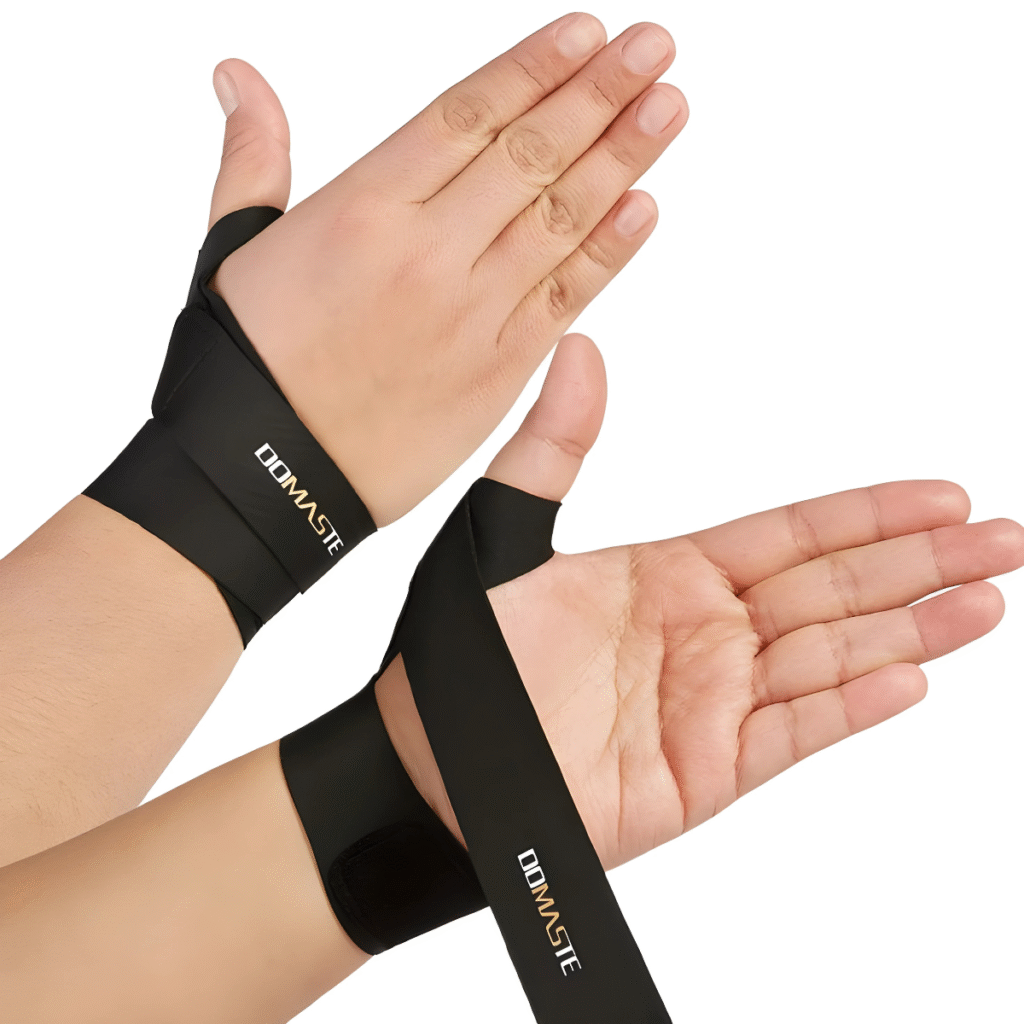
Wrist Braces and Supports
Commercial wrist braces provide standardized support, which is simpler to put on than tape. A variety of options are specifically designed for use by athletes and have the ability to adjust compression.
- Pros: Reusable, constant support, simple to apply
- Cons: Could feel heavier than tape, and could be less flexible
Compression Sleeves
Wrist compression sleeves offer gentle support and improve circulation, but without the rigidity of tapes or braces.
- Pros: Comfortable for long wear, washable, simple to apply
- Cons: Offer lesser support compared to tape might not be permitted in some settings that are competitive.
Specialized Athletic Wrap Tapes
Beyond the standard white tape for athletics, more specialized alternatives include:
- Elastic therapeutic tape provides the support needed while also allowing for a wider flexibility of motion
- Zinc oxide tape: Provides durable adhesion and toughness for high-intensity activities
- Colored athletic tapes have the same function as traditional tape, but with a personal touch.
Frequently Asked Questions About Wrist Tape Soccer Players
Why do Wrist Tape Soccer Players of professional level wear wristbands with tape?
Professional soccer players put sports wraps on the wrists of their players for a variety of reasons such as prevention of injuries, assistance for injuries that have occurred previously and for stability during falls. Beyond the physical benefits, many professional players integrate wrist taping into their game routines to help with psychological preparation. It has also evolved into an element of fashion or personal branding component for some prominent players that have distinctive patterns or colors being incorporated into their in-field appearance.
What kind of wrap tape for athletics is used by soccer players for their wrists?
Soccer players usually use traditional athletic tape that is not elastic (often 1.5 inches wide) or a cohesive self-adhesive athletic wrap. A lot of professional athletes apply an extra layer of foam under their skin, making removal more comfortable. Certain players, especially recovering from injuries, may opt for special tapes, such as kinesiology tapes, that permit greater mobility, while still offering some assistance. The choice is often down to personal choice and the particular requirements of the player and occasionally team medical personnel suggestions.
Can wrist increase the performance of Wrist Tape Soccer Players?
Although athletic wrap tape can’t directly improve soccer abilities however, it may indirectly aid performance in many ways. The stability that comes from proper wrist taping can provide players with greater confidence in physical fall and challenges, possibly permitting them to play more vigorously. For certain players, the feedback that taping provides to their wrists enhances the awareness of their body and improves control. In addition, the psychological component should not be ignored. A lot of players have reported that their tape-taping routine prior to games assists them mentally preparing and staying focused for competition and can result in an improved performance on the field.
When should players replace their tapes on the wrist?
The players of soccer should apply new athletic wrap tape before every practice or game to ensure maximum efficiency and hygiene. Reusing tape reduces its strength since the adhesive weakens and the material is stretched. When playing particularly lengthy or intense matches, particularly during weather conditions that are hot or humid players may need to tape again at halftime in case the initial application has become loose or has become saturated with sweat. Professional athletes typically will have their wrists taped by medical personnel from the team prior to every match to ensure a proper application and the right tension to provide optimal support, without limiting circulation.
Conclusion
The wrap tape of athletics is now an everyday sight in soccer fields across the globe and players of all levels including tapes on their wrists into practice. It can be used to prevent injuries as well as recovery assistance or as part of an exercise before games, wrist taping can bring physical and mental benefits to soccer players.
When putting wraps of athletic tape on the wrists, it is important to employ the proper methods to provide sufficient support, without restricting circulation or restricting movement. There are a variety of tape types available, from traditional sports tape in white to self-adhesive colored wraps, players can pick the one that will best suit their specific requirements and preferences.
Although wrist taping isn’t necessary for everyone, knowing its advantages can help players make educated choices about how to incorporate the practice into their routines. If done correctly the athletic wrap tape is a useful instrument in a player’s arsenal, possibly increasing their confidence level, helping prevent injuries and assisting in achieving optimal efficiency on the pitch.